
Coolidge Epoxy Pros
Polyurea Floor Coatings in Coolidge, AZ
Polyurea floor coatings in Coolidge, AZ for barns, workshops, and heavy-use floors. Flexible, fast-curing, built for equipment traffic.
- 15+ Years local experience
- 500+ Projects completed
- Licensed & Insured
Serving Coolidge and nearby communities.
A lot of Coolidge properties aren't a standard two-car garage. Barns, ag workshops, and equipment bays take heavier traffic than a typical epoxy coating is built for, and rigid coatings tend to chip or crack under repeated impact from tools and machinery. Polyurea flexes with the slab instead of fighting it, which is why Coolidge Epoxy Pros specifies it for working floors where durability matters more than color options.
It also sprays on fast, so a barn or shop floor can be back in operation sooner than a multi-day epoxy job would allow.
What's included
What's included with Polyurea Floor Coatings
Typically included: substrate testing, surface grinding, joint and crack sealing, and a spray-applied base layer. Optional: reinforcement layer in high-traffic zones, chemical barrier topcoat for areas exposed to fuel or fertilizer. Customer prep: move equipment and vehicles out of the work area and plan for a short closure window during spraying.
Want a clearer scope?
Get a Free EstimateHow it works
How our Polyurea Floor Coatings process works
 Step 1
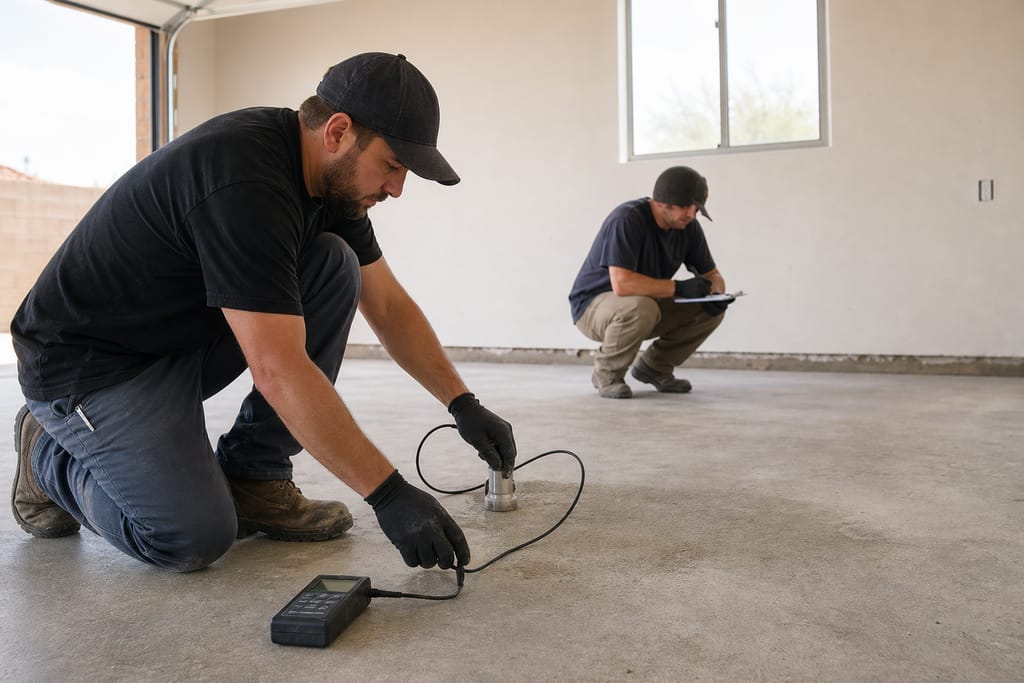
Substrate Assessment
The concrete is tested for moisture and strength before coating application.
 Step 2
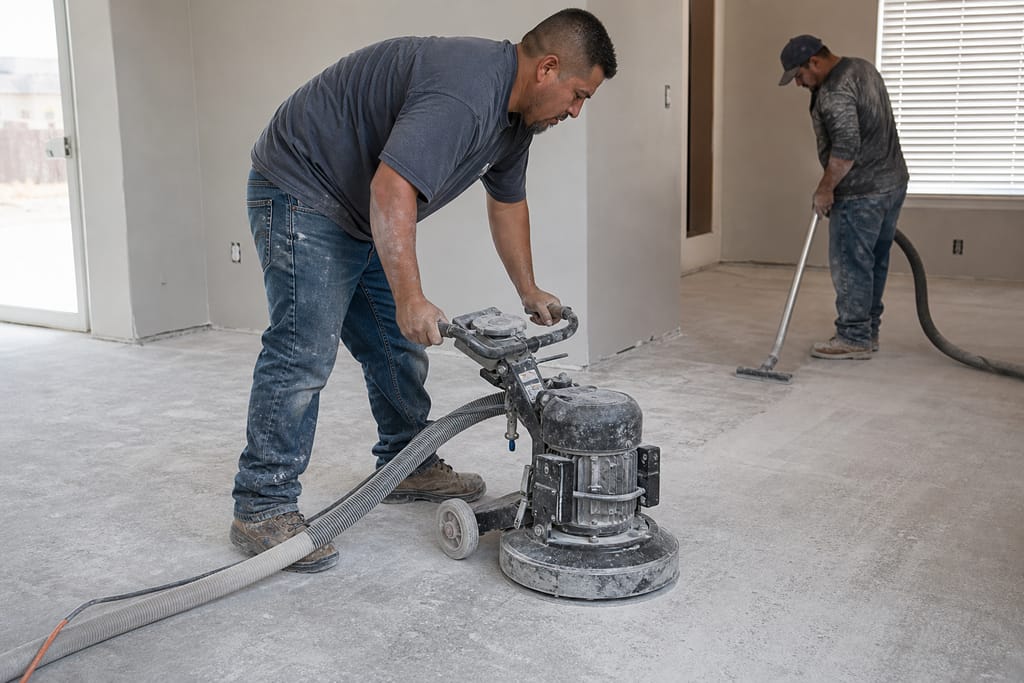
Surface Grinding
Mechanical grinding prepares the surface profile for strong material bonding.
 Step 3
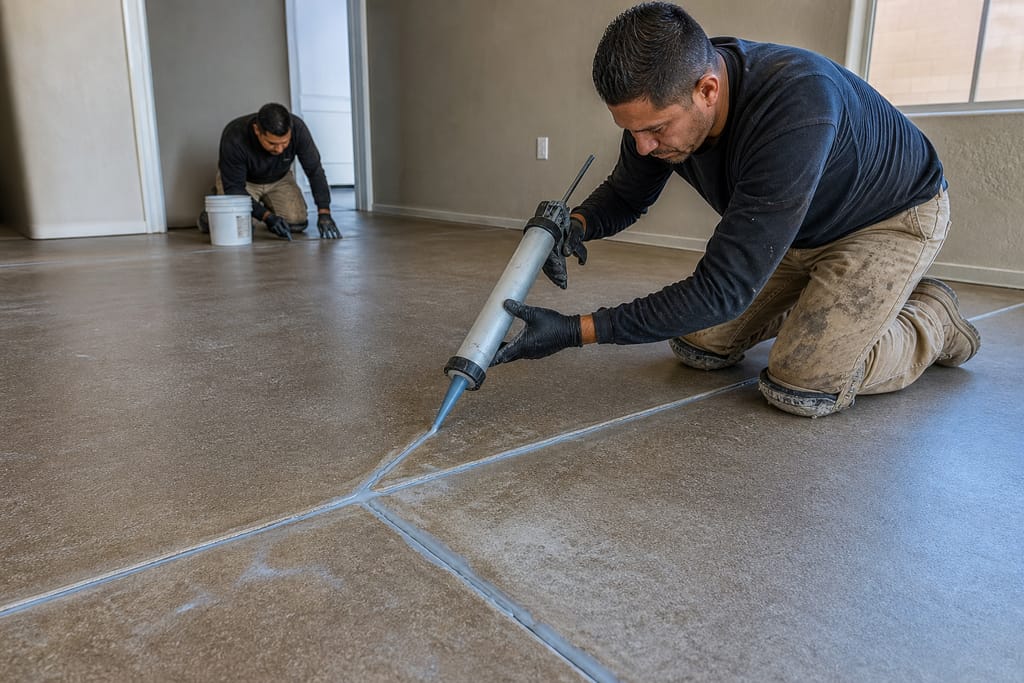
Joint & Crack Sealing
Expansion joints and cracks are sealed to prevent coating failure over time.
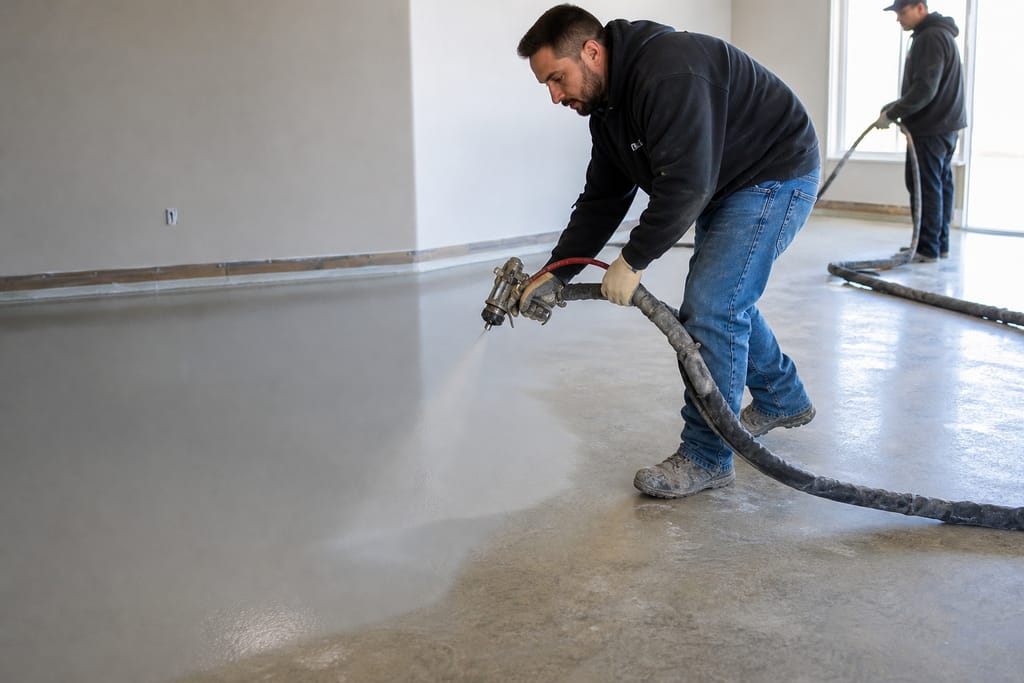 Step 4
Spray-Applied Base Layer
A sprayed polyurea base layer is applied for rapid, even coverage.
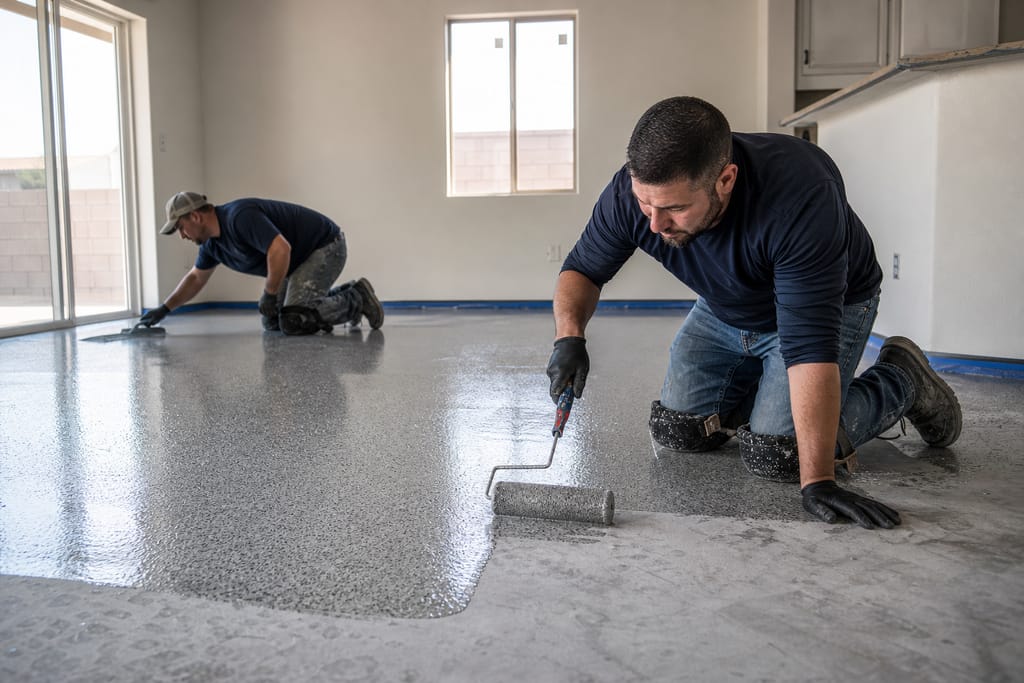 Step 5
Reinforcement Layer
An additional layer is added in high-traffic zones for extra durability.
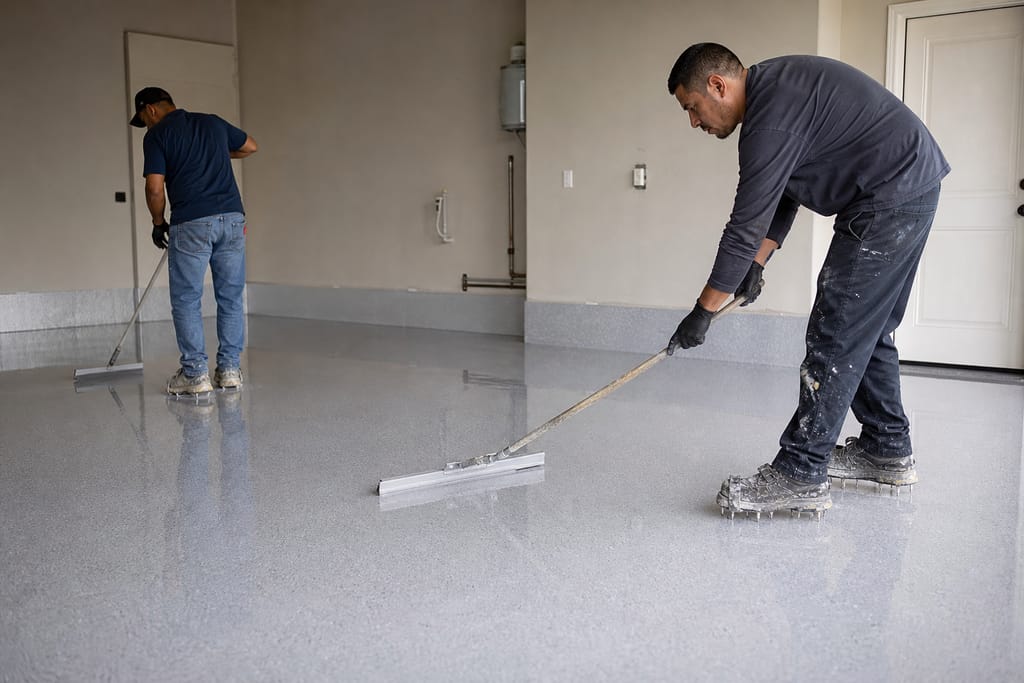 Step 6
Fast Final Cure
The coating cures within a short window, minimizing facility downtime.
Materials
Materials and methods for Polyurea Floor Coatings
Coolidge's ag properties see tractors, trailers, and fuel exposure that a thin residential-grade coating can't handle long term.
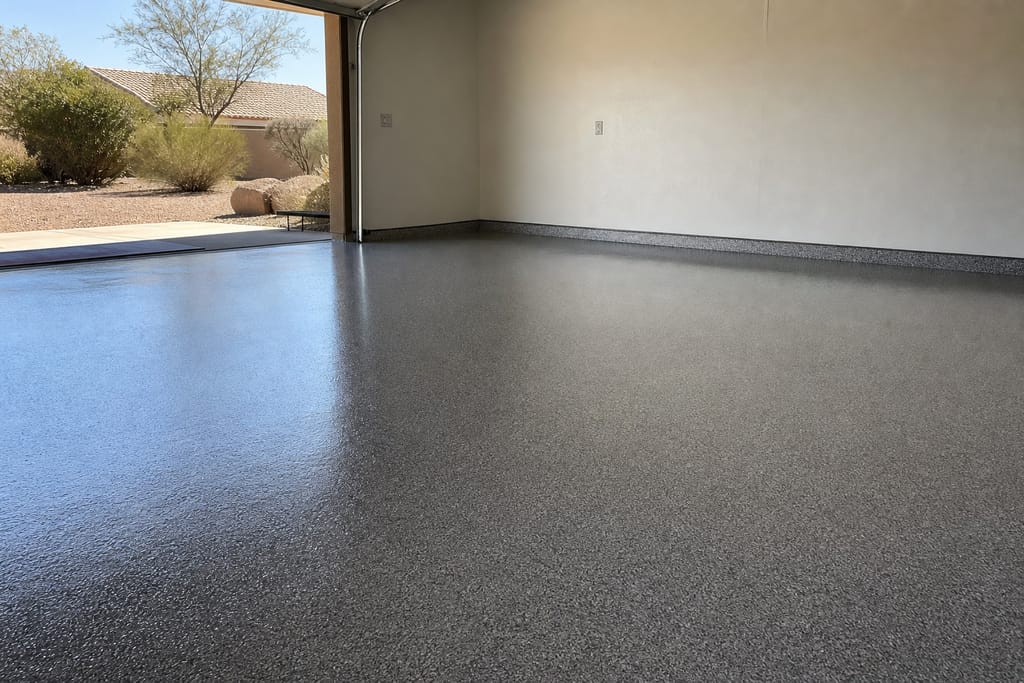
Pure Polyurea Coating
A flexible, fast-curing coating resists abrasion and the temperature swings common between a Coolidge summer day and a cold winter night in an unheated barn.
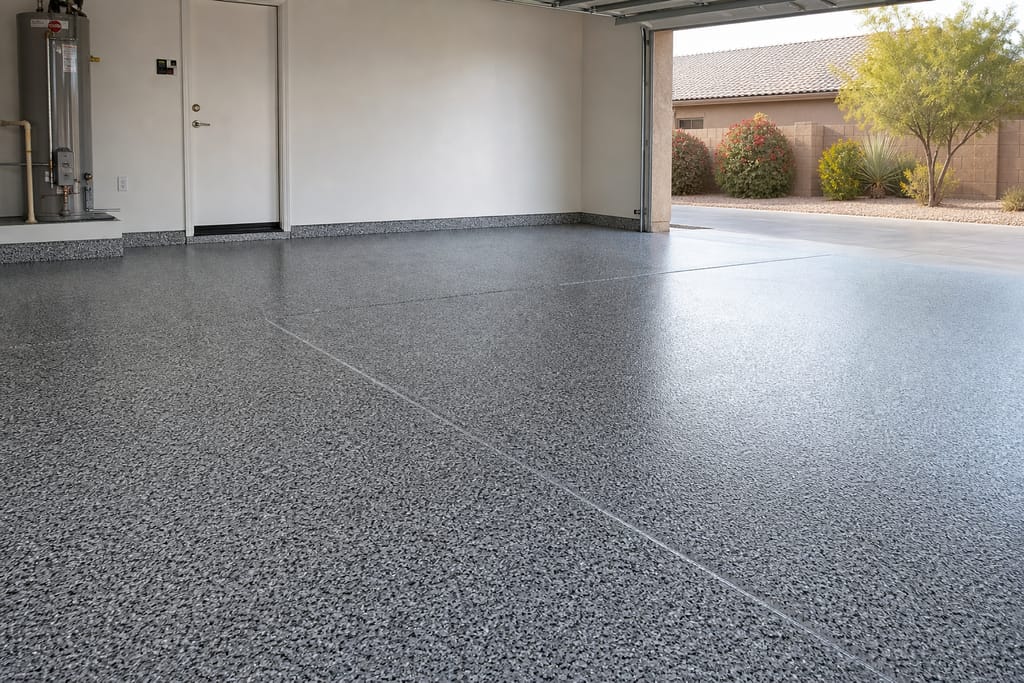
Hybrid Polyurea-Epoxy System
A combined system blends epoxy's strength with polyurea's speed, a good fit for workshops that need both durability and a faster turnaround.
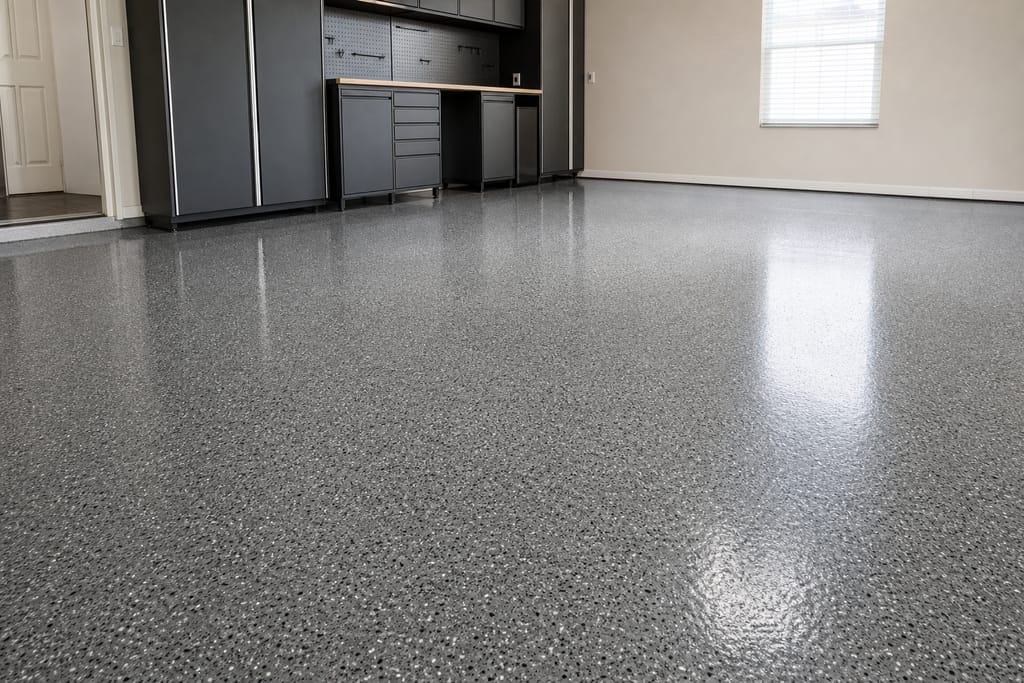
Impact-Resistant Topcoat
A topcoat formulated to withstand dropped tools and heavy equipment, common in ag and workshop settings.
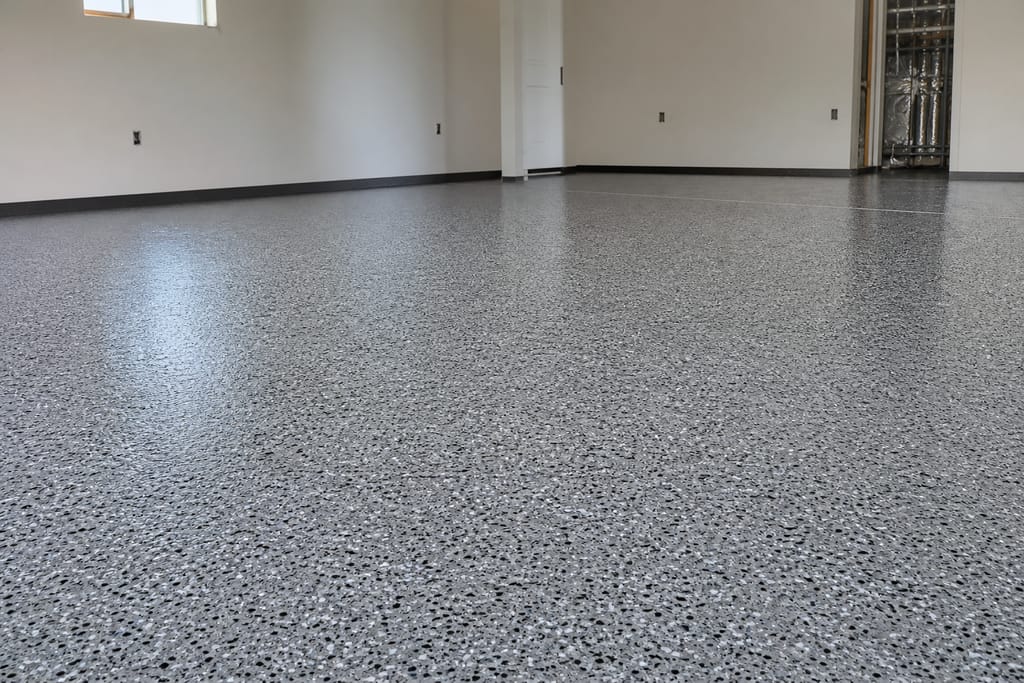
Thermal Shock Resistant Layer
A layer designed to handle the temperature swings between a hot slab surface and cooler mornings without cracking.
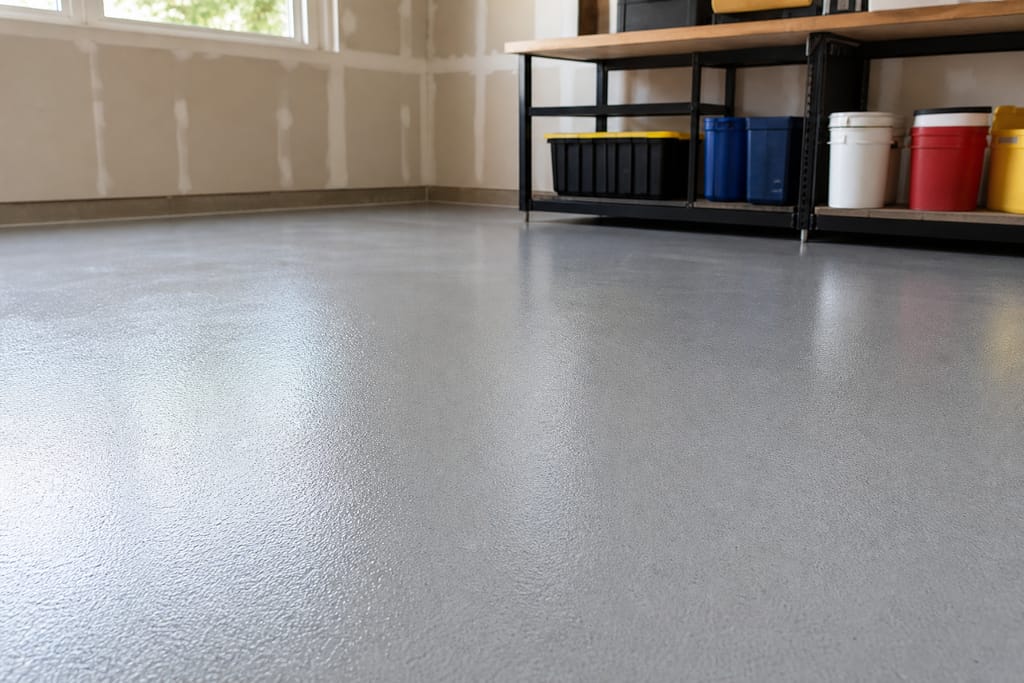
Chemical Barrier Sealant
A sealant resists fuel, fertilizer, and solvent exposure typical of ag equipment storage.
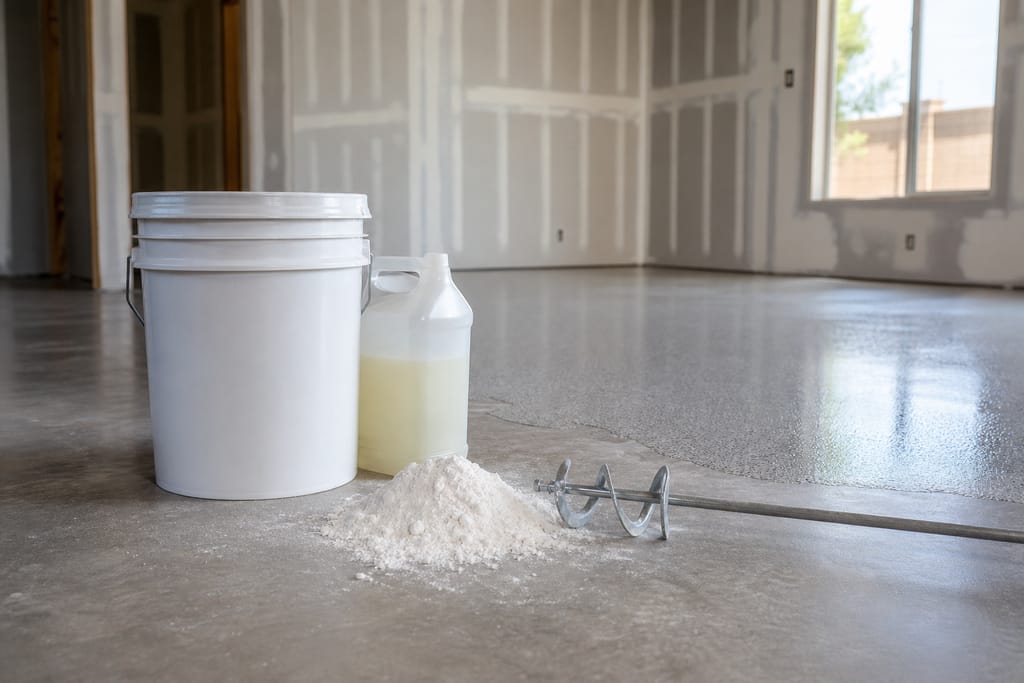
Elastomeric Additive
An additive increases flexibility, helping the coating move with older slabs that have settled over time.
Questions on materials?
Get a Free EstimateTimeline
How long does a Polyurea Floor Coatings take?
- 01
Stage 1
Polyurea's fast cure is the main reason it gets chosen for working floors that can't sit idle long.
- 02
Consult and site visit
same day - 03
Grinding and joint sealing
1 day - 04
Spray-applied base and reinforcement
1 day - 05
Full cure before equipment use
24 hours
Need a schedule that fits?
Get a Free EstimateBefore & after
Before and after Polyurea Floor Coatings results
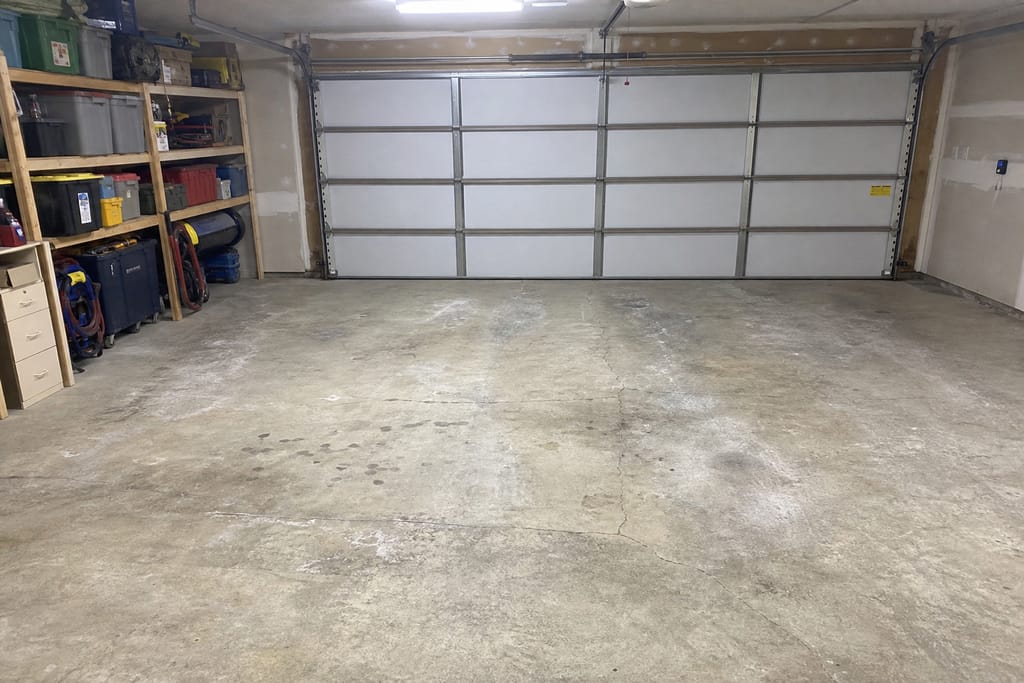
Before 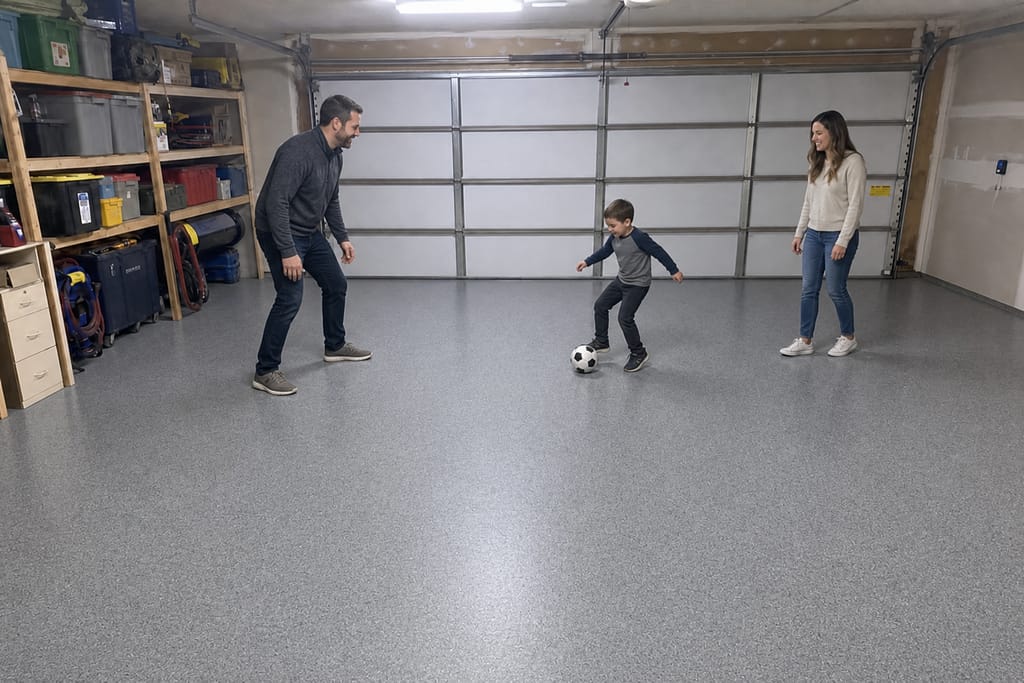
After
Next step
Cracked, oil-stained barn floor → sealed, impact-resistant surface ready for equipment traffic.
Worn workshop slab → flexible coating that holds up to dropped tools and daily use.
FAQs
Polyurea Floor Coatings FAQs
Do I need to seal a barn or workshop floor differently than a garage?
Yes. Barns and shops see heavier impact and chemical exposure, so polyurea's flexibility and resistance to fuel and solvents holds up better than a standard epoxy coating.
How much does polyurea cost compared to epoxy?
Polyurea typically runs higher per square foot due to material cost and spray equipment, but the faster cure and added durability offset that for heavy-use floors.
Can polyurea be sprayed over an existing coating?
Only if the existing coating is sound and properly ground first. A failing coating underneath will cause the new layer to fail as well.
Is DIY polyurea application realistic?
No. Spray equipment and the material's very fast set time make this a job for trained applicators, not a roll-on weekend project.
Does polyurea hold up to tractor and trailer traffic?
It's one of the main reasons ag and workshop properties choose it over standard epoxy for floors that see heavy equipment.
How long until a barn floor is back in use?
Most floors are ready for equipment traffic within 24 hours of the final coat, faster than a typical multi-day epoxy cure.
More services
Other Epoxy Flooring services
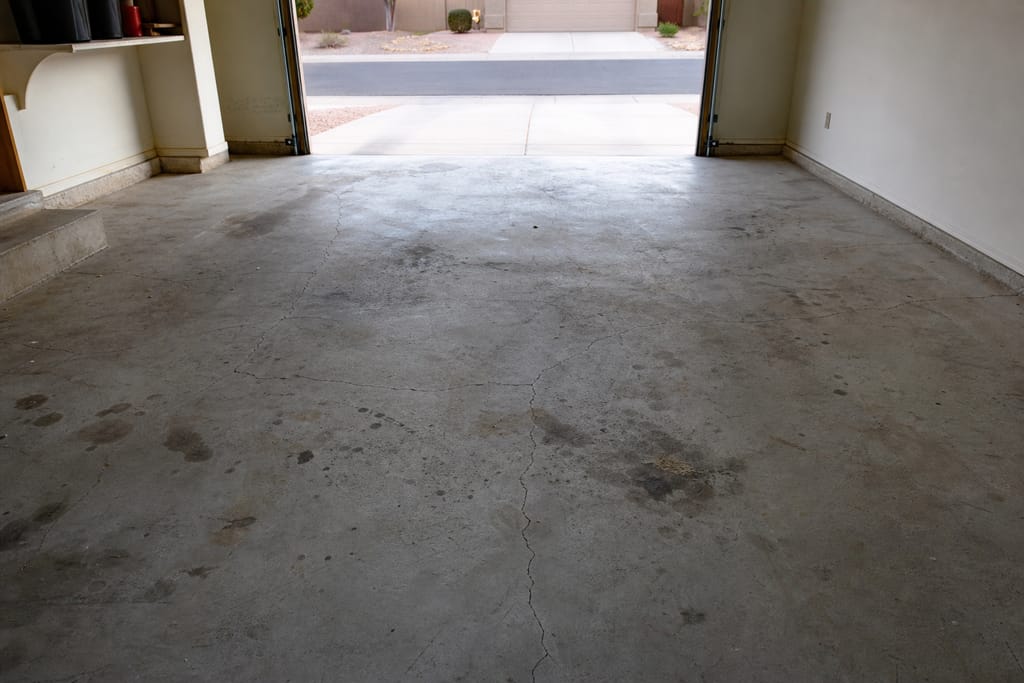
Garage Floor Epoxy Coatings
Garage floor epoxy coatings in Coolidge, AZ. Crack repair, degreasing, and heat-rated topcoats. Free estimates.
Epoxy Floor Coatings
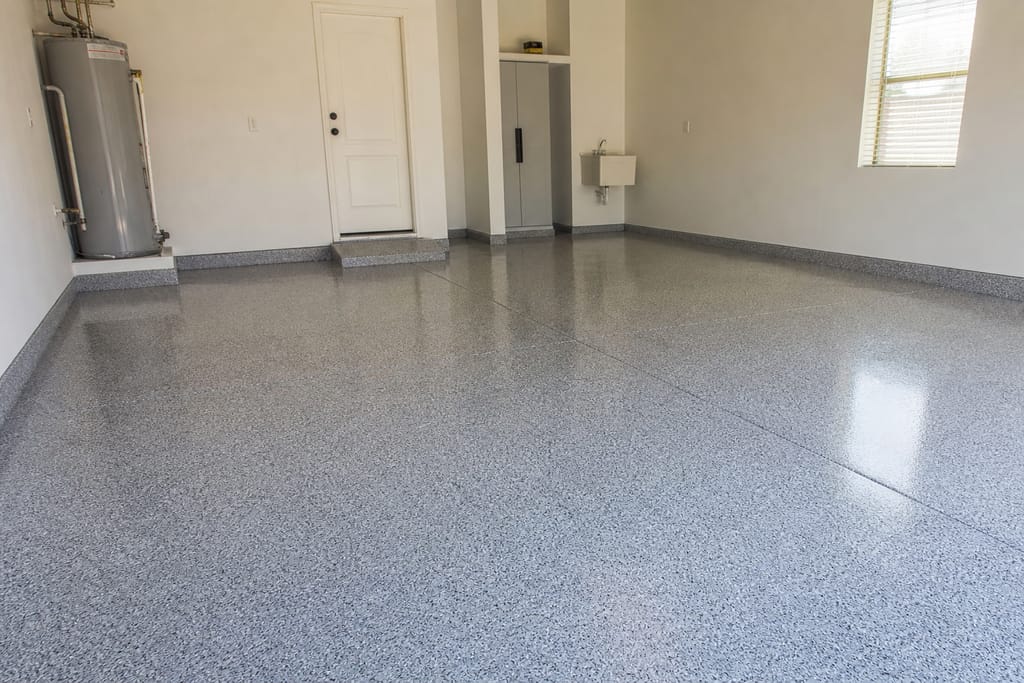
Epoxy floor coatings for Coolidge homes and shops: ground, patched, and sealed concrete built for heat and daily wear. Free estimates.
Polyaspartic Floor Coatings
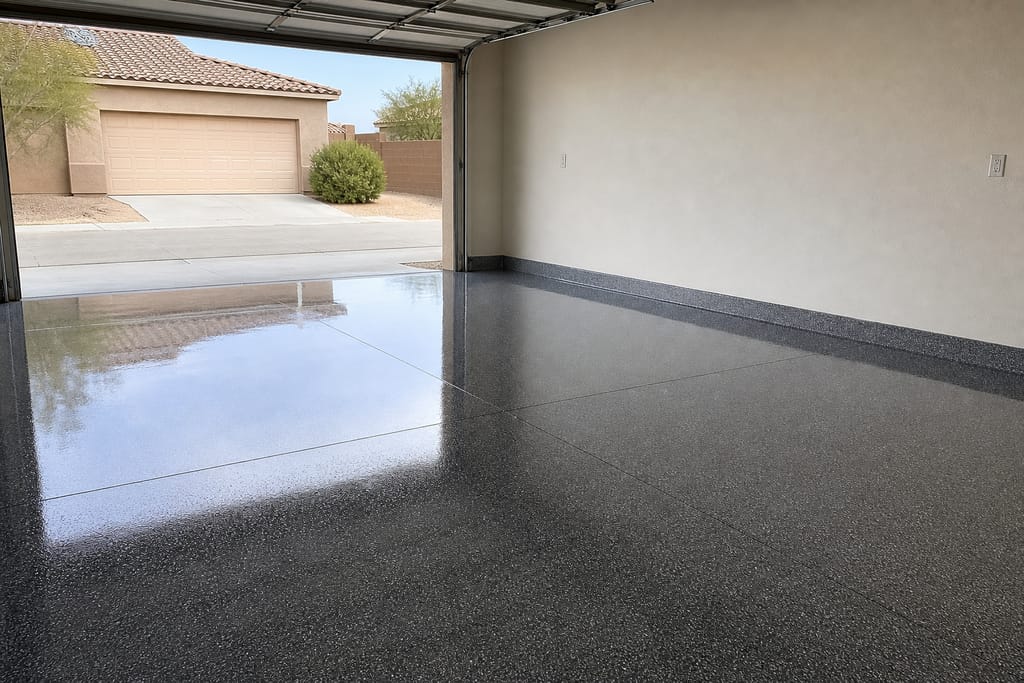
Polyaspartic floor coatings in Coolidge, AZ: fast-cure, UV-stable finishes built for garages, shops, and patios. Free estimates.
Ask about Polyurea Floor Coatings
Tell us about the project and how to reach you.